
The Evolution of Caernarfon Castle: A Symbol of Power and Heritage
A Mighty Stronghold on the Welsh Coast
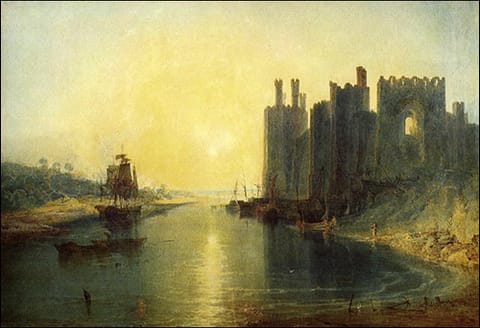
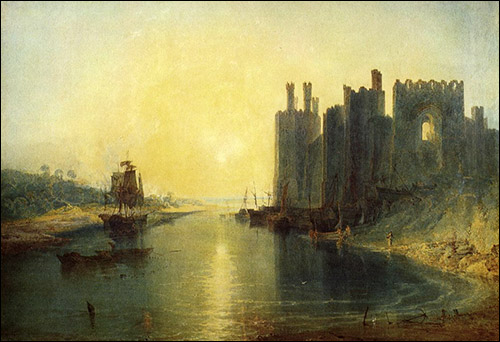
Perched majestically on the banks of the River Seiont, Caernarfon Castle stands as a testament to medieval military architecture and royal ambition. The imposing walls, adorned with soaring towers, evoke the power struggles of the late 13th century when Edward I sought to secure his dominion over Wales. The castle's construction began in 1283, a pivotal moment that not only changed the landscape but also the course of Welsh history.
Origins: The Vision of Edward I
In the wake of the Welsh uprisings led by Llywelyn ap Gruffudd, Edward I decided to establish a stronghold that would both symbolise and enforce English authority in Wales. The castle was designed by the architect James of Saint George, whose innovative use of concentric walls and towers set a new standard for fortification. The first phase of construction was completed by 1295, but the castle continued to evolve over the years, reflecting both military needs and royal prestige.
A Symbol of Power: The Key Era
Caernarfon Castle's prominence peaked during the late 13th and early 14th centuries. In 1301, Edward I bestowed the title of Prince of Wales upon his son, Edward II, in a ceremony held within the castle walls, further cementing its status as a symbol of English dominance. The castle's architecture, featuring the distinctive polygonal towers and the iconic Eagle Tower, became a statement of power, designed not only for defence but to showcase the might of the English crown.
The Role in the Welsh Wars
The castle played a crucial role in subsequent conflicts, including the revolts led by Owain Glyndŵr in the early 15th century. Despite its formidable structure, it was besieged multiple times, highlighting the ongoing struggle between the Welsh and English forces. Each siege and skirmish added layers to its storied past, intertwining the fate of the castle with that of the Welsh people.
Decline and Transformation
By the 17th century, as the threat of invasion diminished, Caernarfon Castle's military significance waned. It fell into disrepair, becoming a shell of its former self, reflecting the changing attitudes towards medieval fortifications. However, the 19th century saw a resurgence of interest in Gothic architecture and heritage, prompting restoration efforts. The castle was officially designated a historical monument in the 19th century, laying the groundwork for its future as a site of cultural heritage.
Caernarfon Castle Today: A UNESCO World Heritage Site
In 1986, Caernarfon Castle was inscribed as a UNESCO World Heritage Site, recognising its exceptional universal value. Today, it attracts visitors from around the globe who come to explore its impressive architecture, learn about its rich history, and experience the grandeur that once symbolised royal authority. The castle hosts various events, including medieval reenactments and cultural festivals, bringing its history to life for a new generation.
The Lasting Legacy of Caernarfon Castle
Caernarfon Castle remains a powerful symbol of Welsh heritage and resilience. Its story reflects the complex relationship between Wales and England, serving as a reminder of the struggles for identity and sovereignty. As both a monument of military might and a cherished historical site, it invites contemplation on the past while standing firm as a beacon of culture and history in the present.