
The Enigmatic Standing Stones of Gors Fawr: Mysteries of the Past
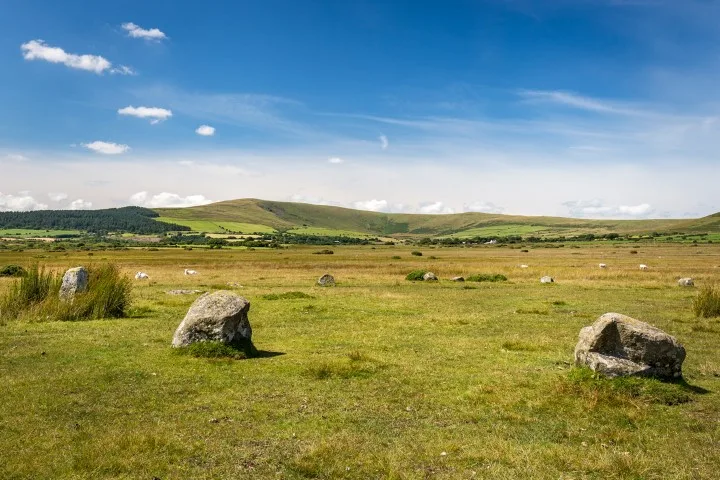
A Journey to Gors Fawr
Nestled amidst the rolling hills of Pembrokeshire, the standing stones of Gors Fawr rise from the earth like sentinels of an ancient past. Surrounded by lush greenery and the whispers of the wind, these stones evoke a sense of mystery, beckoning travellers and historians alike to uncover their secrets. Believed to date back to the Neolithic era, they stand as a testament to the ingenuity and spirituality of early human societies.
Origins of Gors Fawr
The standing stones at Gors Fawr are thought to have been erected around 3000 BC, during a time when the Neolithic people were beginning to settle and cultivate the land. Archaeological evidence suggests that this site may have been part of a ceremonial landscape, likely used for rituals or gatherings. Comprising five main stones, each varying in size and shape, the arrangement is striking and seems intentional, hinting at the significance of geometry in Neolithic culture.
The Key Era: Neolithic Society
The Neolithic period marked a profound shift in human history, as communities transitioned from nomadic lifestyles to settled farming. This shift is reflected in the construction of monuments like those at Gors Fawr. The presence of these standing stones indicates not only a connection to the land but also to the celestial bodies, suggesting that the ancient inhabitants may have used them for astronomical observations. Such practices were common amongst Neolithic cultures, as they sought to understand the cycles of nature and their place within it.
People and Folklore
Over the centuries, the standing stones of Gors Fawr have inspired local folklore and legend. Tales of ancient giants and mystical beings abound, with some suggesting that the stones were once people turned to stone by a powerful enchantment. In the 19th century, local historian John W. J. Williams documented various stories associated with the stones, reflecting the enduring fascination they hold in the collective memory of Pembrokeshire's inhabitants. Such narratives not only enrich the site's history but also illustrate how the stones have woven themselves into the cultural fabric of the area.
Decline and Preservation
As centuries passed, the significance of Gors Fawr waned, and the site became overgrown and less visited. However, in the 20th century, a renewed interest in archaeology and heritage conservation led to efforts to preserve the standing stones. In 1977, the site was designated as a Scheduled Ancient Monument, safeguarding it against further degradation and ensuring that future generations can appreciate its historical importance.
Gors Fawr Today
Today, Gors Fawr stands as a poignant reminder of our ancient past. Surrounded by tranquil landscapes, it attracts visitors seeking both solitude and reflection. The site is often included in archaeological tours of Pembrokeshire, providing an opportunity for enthusiasts to engage with the mysteries of Neolithic life. The stones, weathered yet resilient, continue to inspire curiosity and contemplation, serving as a bridge between the past and present.
The Lasting Legacy of Gors Fawr
The enigmatic standing stones of Gors Fawr remain an intriguing chapter in the story of human development in Britain. They invite us to ponder the lives of those who came before us, their beliefs and their connection to the earth. As we stand before these ancient monoliths, we are reminded of our shared heritage and the enduring quest to understand the mysteries of our past.