
A Brief Insight into Covered Bridges in America
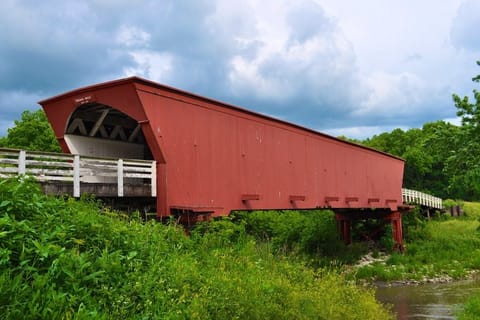
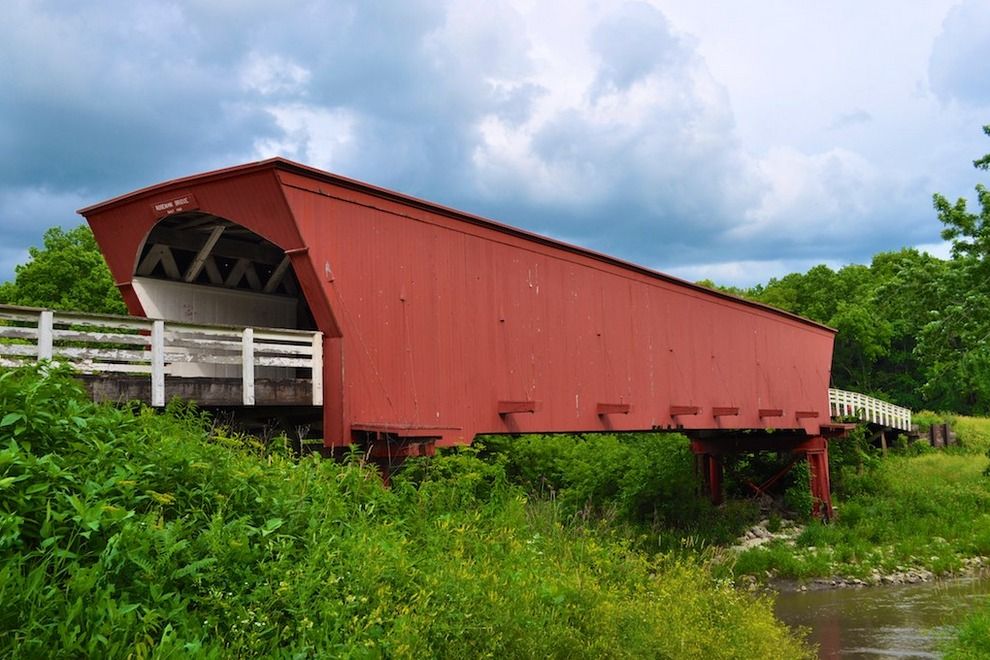
Covered bridges have been around since ancient China. Recorded Chinese history has mentioned them since the early dynasties. In America, covered bridges first appeared around 1805 and have seen a gradual growth in construction. In Europe, they have existed since the medieval times and there were once hundreds of them scattered in many countries such as Germany and Switzerland.
In North America, wooden covered bridges have seen it’s height in the 19th century. With a lot of surplus in lumber and the need for connecting the different parts of the country, the ingenuity of the Yankees has been put to good use by the construction of these works of art. Covered bridges not only allowed the interconnecting of different towns but it also paved the way to incorporating art and engineering. Bridges are not that easy to make, and covered bridges, as agreed upon by many engineers, are considered to be great engineering marvels incorporating practicality and aesthetics in the design.
North America has a lot of covered bridges and more are built everyday. But why are there so many? The north is a land filled with rivers and streams and as the population grew in the early part of the nineteenth century, a lot of people made their way into the interior parts of the land to find areas suitable for agriculture and livelihood.
As the years went by, villages started to grow in the most convenient of places -- near a water source. The waterways where these early American villages sprung up on were convenient sources of water and sources of power used for running mills. And as villages started to grow on both sides of the rivers, bridges became the obvious solution in connecting a village together. Communities need to be connected and bridges became an integral part of village life. It provided access for townspeople to many infrastructures like schools, churches and stores where supplies can be bought.