
Caribbean Heritage: The Story of Nelson's Dockyard
A Historic Harbour
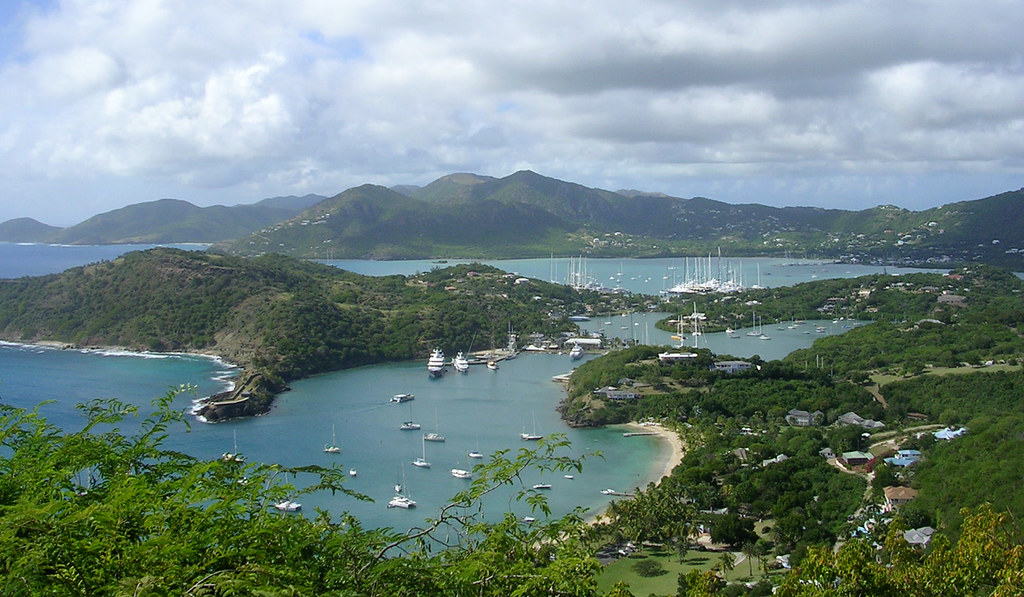
As the sun sets over the tranquil waters of English Harbour, the historic buildings of Nelson's Dockyard cast long shadows on the ground, whispering tales of a vibrant maritime past. This remarkable site, nestled on the southern coast of Antigua, served as a naval base for the British fleet during the 18th century. Today, it stands as a testament to Antigua's rich maritime heritage, inviting visitors to explore its storied corridors and scenic vistas.
Origins of Nelson's Dockyard
The origins of Nelson's Dockyard date back to the early 18th century, when the British recognised the strategic importance of English Harbour. In 1725, a small naval yard was established here to support the growing fleet in the Caribbean. The site was named after Admiral Horatio Nelson, who served as the commander of the British fleet in the West Indies from 1784 to 1787. It was during this time that significant developments were undertaken to transform the dockyard into a formidable naval base.
Key Era: Expansion and Fortification
Between 1745 and 1785, Nelson's Dockyard underwent extensive expansion and fortification, particularly under the direction of Admiral Nelson himself. The dockyard became a hub for shipbuilding and repair, and a series of stone warehouses, officers' quarters, and workshops were constructed. The iconic Georgian architecture that characterises the dockyard today reflects this period of growth, with its sturdy structures built to withstand the rigours of maritime life. By the late 18th century, it had developed into the most advanced naval facility in the Caribbean, capable of accommodating the British navy's largest ships.
Notable Figures and Events
Numerous notable figures passed through Nelson's Dockyard during its operational years. Admiral Nelson's tenure was marked by his strategic initiatives to protect British interests in the Caribbean during a time of conflict with rival naval powers. The dockyard also hosted key events, such as the repair and outfitting of ships that played pivotal roles in battles across the region. The site was not only a base for the British navy but also a vibrant community hub, where sailors and officers mingled with local inhabitants, creating a unique cultural exchange.
Decline and Restoration
The 19th century brought significant changes, as the advent of steam-powered vessels reduced the reliance on traditional sailing ships. By the early 1900s, Nelson's Dockyard had fallen into decline, and many of the buildings were abandoned or fell into disrepair. However, in the 1950s, recognition of the site's historical value prompted efforts for restoration. The Antigua government, in collaboration with various heritage organisations, undertook a comprehensive restoration project that began in 1961 and has continued into the present day, preserving the dockyard's architectural integrity and historical significance.
Nelson's Dockyard Today
Today, Nelson's Dockyard is a UNESCO World Heritage site, attracting visitors from around the globe who come to appreciate its beauty and historical importance. The site features a museum showcasing artefacts from its naval past, as well as a marina that caters to modern yachts and vessels. Additionally, the annual Antigua Sailing Week celebrates the enduring maritime spirit of the region, drawing sailors and spectators who revel in the vibrant atmosphere that echoes the dockyard's storied legacy.
Lasting Legacy
Nelson's Dockyard stands as a remarkable symbol of Antigua's maritime heritage, reflecting the island's historical significance within the broader narrative of Caribbean history. Its preservation serves as a reminder of the intricate connections forged through naval power, trade, and cultural exchange in the region. As visitors walk through its hallowed grounds, they are invited to ponder the stories of those who once sailed its waters and to appreciate the enduring legacy of this historic site.