
The Allure of the Canadian Rockies: A Historical Perspective
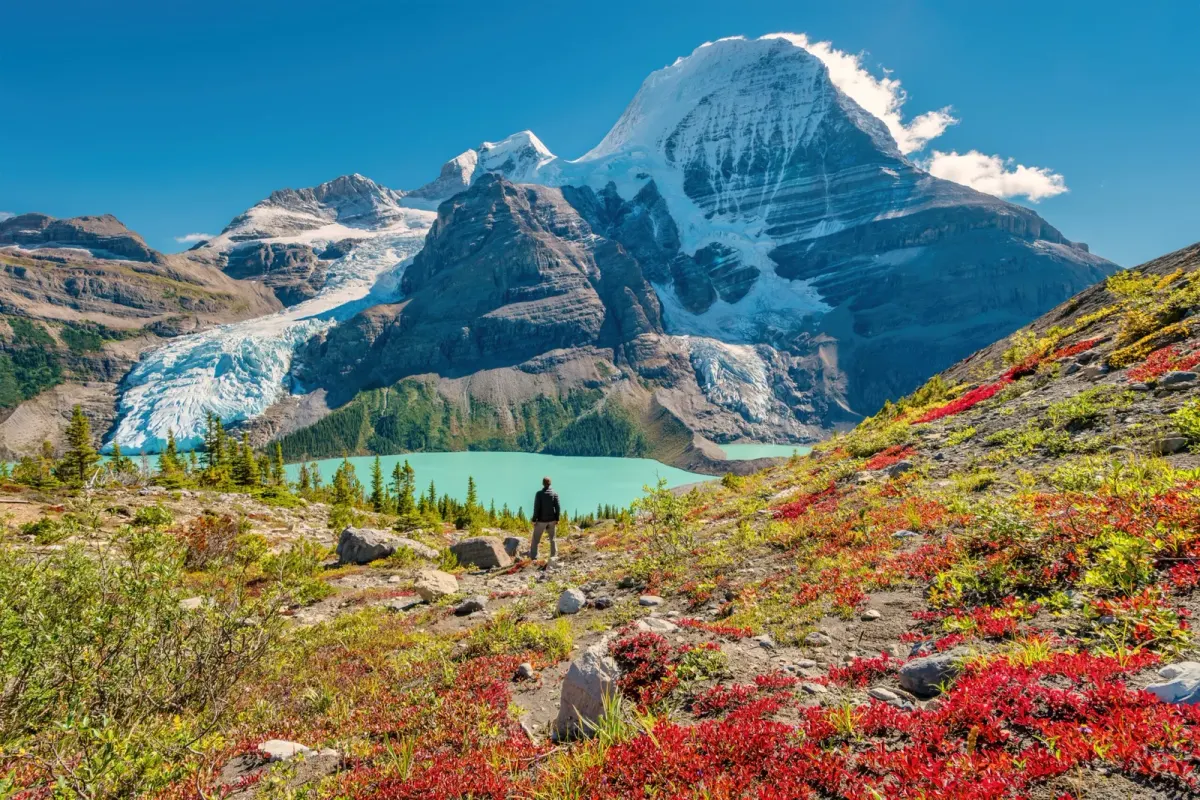
Majestic peaks rise sharply against a cobalt sky, their rugged silhouettes reflecting in pristine alpine lakes. The Canadian Rockies, a UNESCO World Heritage site, are not only a feast for the eyes but also a rich tapestry of history woven by the hands of indigenous peoples and early explorers. As we embark on a journey through time, we uncover the stories behind these breathtaking landscapes.
A Land of Ancient Peoples
Long before the first European explorers arrived, the Canadian Rockies were home to numerous indigenous peoples, including the Stoney Nakoda, Ktunaxa, and Secwepemc. These groups thrived in the region for thousands of years, developing a deep understanding of the land and its resources. Archaeological evidence suggests that indigenous peoples hunted, fished, and gathered in the Rockies, utilising its bounty while respecting its natural rhythms.
Explorers and the Age of Discovery
The late 18th and early 19th centuries marked a significant shift as European explorers ventured into the Rockies, driven by curiosity and the desire for knowledge. In 1807, David Thompson, a renowned fur trader and geographer, mapped vast portions of the area, documenting its rivers and mountains. His meticulous observations played a crucial role in opening up the Canadian wilderness to fur trade and settlement.
Mapping the Wilderness
Thompson's explorations were not without peril. He faced treacherous weather, rugged terrain, and the challenges of navigating the intricate waterways. His journals provide a vivid account of his encounters with indigenous peoples, illustrating the complex relationships that formed between the two cultures during this period of exploration.
The Birth of National Parks
The awe-inspiring landscapes of the Canadian Rockies soon captured the imagination of a broader audience. In 1885, Banff National Park was established as Canada’s first national park, paving the way for the conservation movement in North America. The park's creation was influenced by the discovery of hot springs and the subsequent influx of tourists. This marked a new era, where the natural beauty of the Rockies began to be appreciated not just for resources, but for recreation and preservation.
Tourism and Development
The late 19th and early 20th centuries saw an explosion in tourism, with the Canadian Pacific Railway playing a pivotal role. The railway provided access to the remote and stunning landscapes, bringing visitors eager to experience the grandeur of the Rockies. Iconic hotels, such as the Fairmont Banff Springs, were built to accommodate the growing number of tourists, further embedding the region into the fabric of Canadian culture.
Indigenous Voices in the Modern Era
As tourism flourished, the voices of indigenous peoples were often sidelined. However, in recent decades, there has been a resurgence of interest in acknowledging and celebrating the rich heritage of the First Nations. Today, initiatives focus on sharing indigenous perspectives through cultural experiences, storytelling, and guided tours, fostering a deeper understanding of the land's history.
The Canadian Rockies Today
Today, the Canadian Rockies continue to enchant visitors from around the globe. With its stunning vistas, diverse ecosystems, and abundant wildlife, the region is a sanctuary for nature lovers and adventurers alike. National parks such as Jasper and Yoho now protect these landscapes, ensuring their preservation for future generations.
Environmental Challenges
Despite the beauty and allure, the region faces environmental challenges, including climate change and the pressures of tourism. Conservation efforts are paramount to maintain the delicate balance between accessibility and preservation. The stories of indigenous peoples are increasingly woven into these efforts, reminding us of the deep connections that exist between land and community.
A Lasting Legacy
The Canadian Rockies stand as a testament to the enduring spirit of exploration and the rich cultural heritage of its indigenous peoples. As we reflect on the history of this iconic region, we are reminded of the importance of stewardship and respect for the land, ensuring that its allure continues to inspire generations to come.