
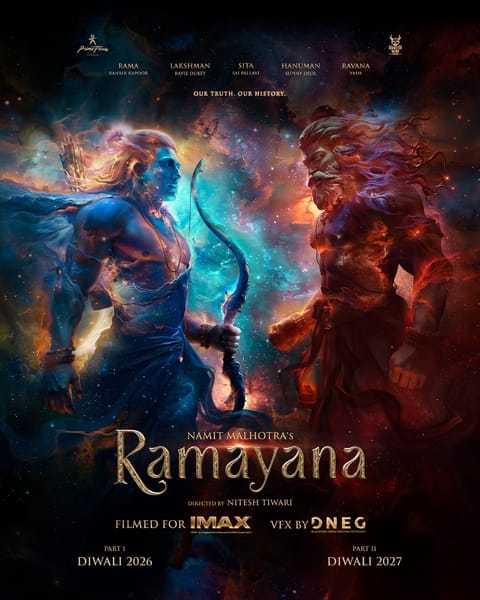
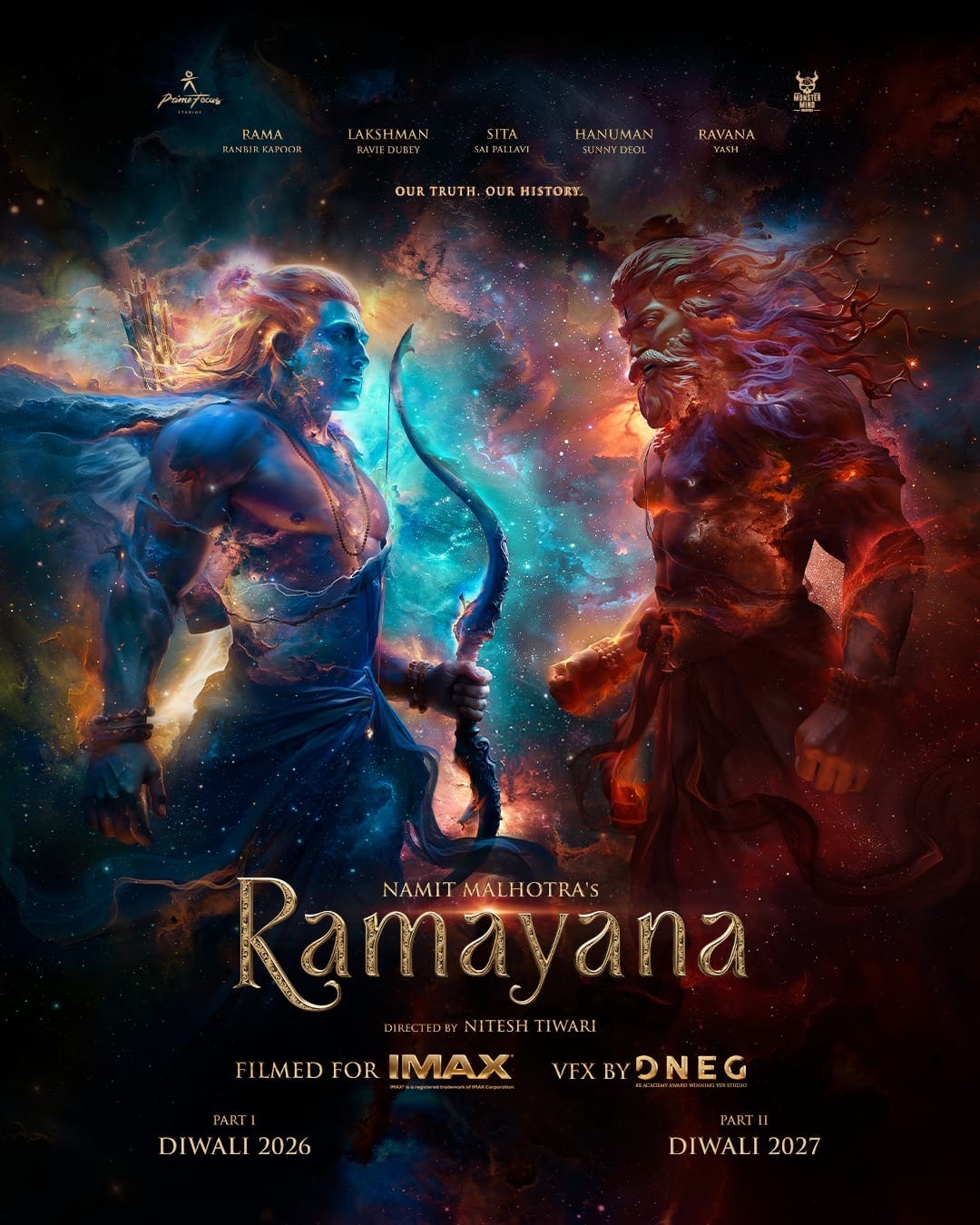
Ramayana: Part 1 – A Cultural Epic Unfolds
The Return of an Epic
On 5 November 2026, audiences around the world were introduced to the grand cinematic adaptation of the ancient Indian epic, Ramayana: Part 1. Directed by Nitesh Tiwari, this film is a significant cultural milestone, aiming to bring the timeless story of Ram to the forefront of global consciousness. With a budget exceeding $500 million, it is one of the most expensive productions in Indian cinema history, showcasing the rich heritage and moral lessons embedded in the narrative.
Origins of the Ramayana
The Ramayana is attributed to the sage Valmiki and is believed to have been composed around 750 BCE. It narrates the life of Prince Ram, the seventh avatar of the god Vishnu, who is revered as the ideal king and husband. The epic explores themes of duty, righteousness, and the eternal battle between good and evil, as Ram embarks on a quest to rescue his wife, Sita, from the demon king Ravana.
A Tale of Exile and Triumph
The core narrative follows Ram's exile, a consequence of palace intrigues and familial obligations. Accompanied by his devoted wife Sita and loyal brother Lakshmana, Ram faces numerous trials in the wilderness. The abduction of Sita by Ravana sets the stage for an epic confrontation, encapsulating the essence of dharma—the moral law that governs individual conduct in Hindu philosophy.
Visual Storytelling
Tiwari's adaptation is characterised by its ambitious use of technology, including extensive visual effects and computer-generated imagery. The film is designed to appeal to both Indian and international audiences, with adaptations made to cater to different cultural sensibilities. The stunning visuals are complemented by a powerful score from renowned composers Hans Zimmer and A.R. Rahman, further enhancing the emotional depth of the narrative.
The Cast and Characters
The film boasts an impressive ensemble cast, featuring Ranbir Kapoor as Ram, Sai Pallavi as Sita, and Yash as Ravana. Each actor brings a nuanced interpretation to their roles, allowing for a fresh exploration of these iconic characters. The film also includes supporting performances from notable actors such as Sunny Deol and Ravi Dubey, enriching the tapestry of the story.
Cultural Impact and Reception
Upon its release, Ramayana: Part 1 quickly garnered attention, achieving nearly $100 million in worldwide gross during its opening week. While many viewers celebrated the film's grand scale and visual appeal, some expressed concerns regarding the portrayal of key characters, particularly Ravana, whose depiction diverges from traditional interpretations as a purely malevolent figure. This complexity adds a layer of depth to the narrative, inviting audiences to engage more critically with the material.
A Modern Retelling
The film's approach to storytelling aligns with a broader trend of reinterpreting classic tales to resonate with contemporary audiences. Scholars suggest that such adaptations can spark renewed interest in the original texts, encouraging discussions about their relevance in modern society. The Ramayana has been retold across various mediums, and this cinematic version adds to its enduring legacy.
The Legacy of the Ramayana
As Ramayana: Part 1 concludes on a cliffhanger, viewers are left anticipating the next chapter in this epic saga, with Part 2 scheduled for release during Diwali 2027. The story of Ram continues to inspire and inform cultural practices across India and beyond, embodying the values of honour, duty, and resilience. This adaptation not only revitalises interest in an ancient narrative but also highlights its significance in the modern world.
The ongoing reception of the film will undoubtedly shape how the Ramayana is perceived by future generations, cementing its place in both cinematic history and cultural discourse.