
The Great Zimbabwe: Echoes of a Lost Civilisation
A Monumental Legacy
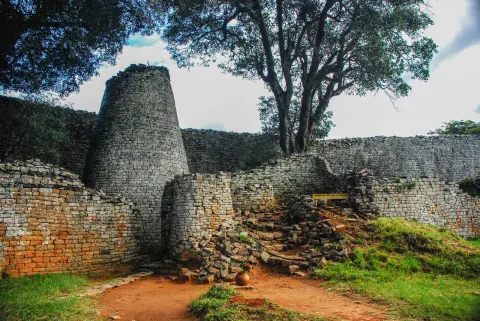
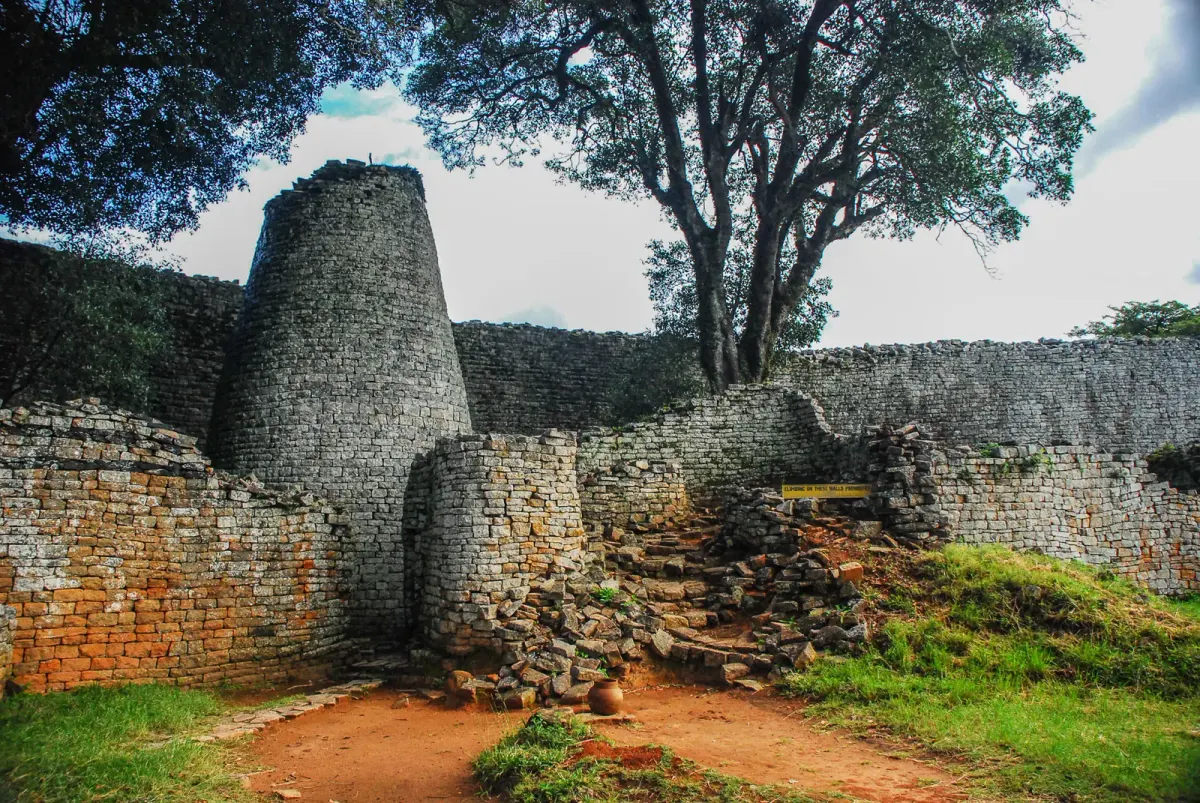
In the heart of Zimbabwe, the imposing stone ruins of Great Zimbabwe rise dramatically from the surrounding savannah, remnants of a once-thriving city that flourished between the 11th and 15th centuries. The walls, crafted from granite blocks, stand as enduring symbols of the sophistication and wealth of a lost civilisation that played a crucial role in the history of medieval Africa. As we traverse the dusty paths of this UNESCO World Heritage site, echoes of its past resonate through the air.
Origins of Great Zimbabwe
The origins of Great Zimbabwe can be traced back to the late 11th century, when it began as a modest settlement for local Shona people. By the 12th century, it had evolved into a significant trading hub, strategically located along trade routes connecting the interior of Africa with the coastal ports of the Indian Ocean. It is believed that the city derived its name from the Shona word 'zimba,' meaning house, and 'great' reflecting its prominence.
The Key Era of Prosperity
During its peak in the 14th century, Great Zimbabwe reached a population of up to 18,000 inhabitants, a remarkable figure for a settlement of its time. The wealth generated from trade, particularly in gold, ivory, and cattle, allowed the construction of impressive stone structures, including the Great Enclosure and the Hill Complex. These architectural feats, characterised by their dry-stone masonry, are not only a testament to the engineering prowess of the builders but also reflect the cultural heritage and social stratification of the society.
People of Great Zimbabwe
The people who inhabited Great Zimbabwe were primarily Shona, a group with a rich cultural tradition. Archaeological evidence suggests that the community was highly organised, with a complex political structure led by a king. The society was marked by significant craftsmanship, as seen in the intricate carved soapstone birds and pottery that have been discovered in the ruins. These artefacts provide insight into the daily lives, beliefs, and artistic expressions of the people who once thrived in this monumental city.
Decline and Abandonment
By the late 15th century, Great Zimbabwe began to decline, a process attributed to various factors including overgrazing, deforestation, and changing trade routes. As resources became scarce, the population dwindled, and by the early 16th century, the city was largely abandoned. The reasons for its decline remain a subject of extensive archaeological study, highlighting the complexities of environmental and economic challenges faced by past civilisations.
The Site Today
Today, Great Zimbabwe stands as a powerful symbol of African heritage and resilience. The site is an important focus for archaeological research, offering invaluable insights into the sophistication of medieval African societies. Visitors can explore the vast ruins, which are surrounded by a landscape that tells the story of those who once called this remarkable place home. The ongoing preservation efforts aim to protect this cultural heritage for future generations, ensuring that the echoes of a lost civilisation continue to resonate across the ages.
A Lasting Legacy
Great Zimbabwe remains an enduring testament to the achievements of its builders, a place where the echoes of a lost civilisation still inspire awe and curiosity. As one of the most significant archaeological sites in Africa, it serves as a reminder of the rich cultural history that predates colonial narratives. The legacy of Great Zimbabwe is not merely a reflection of its past but a beacon for the understanding of Africa's historical complexities and diversity.