

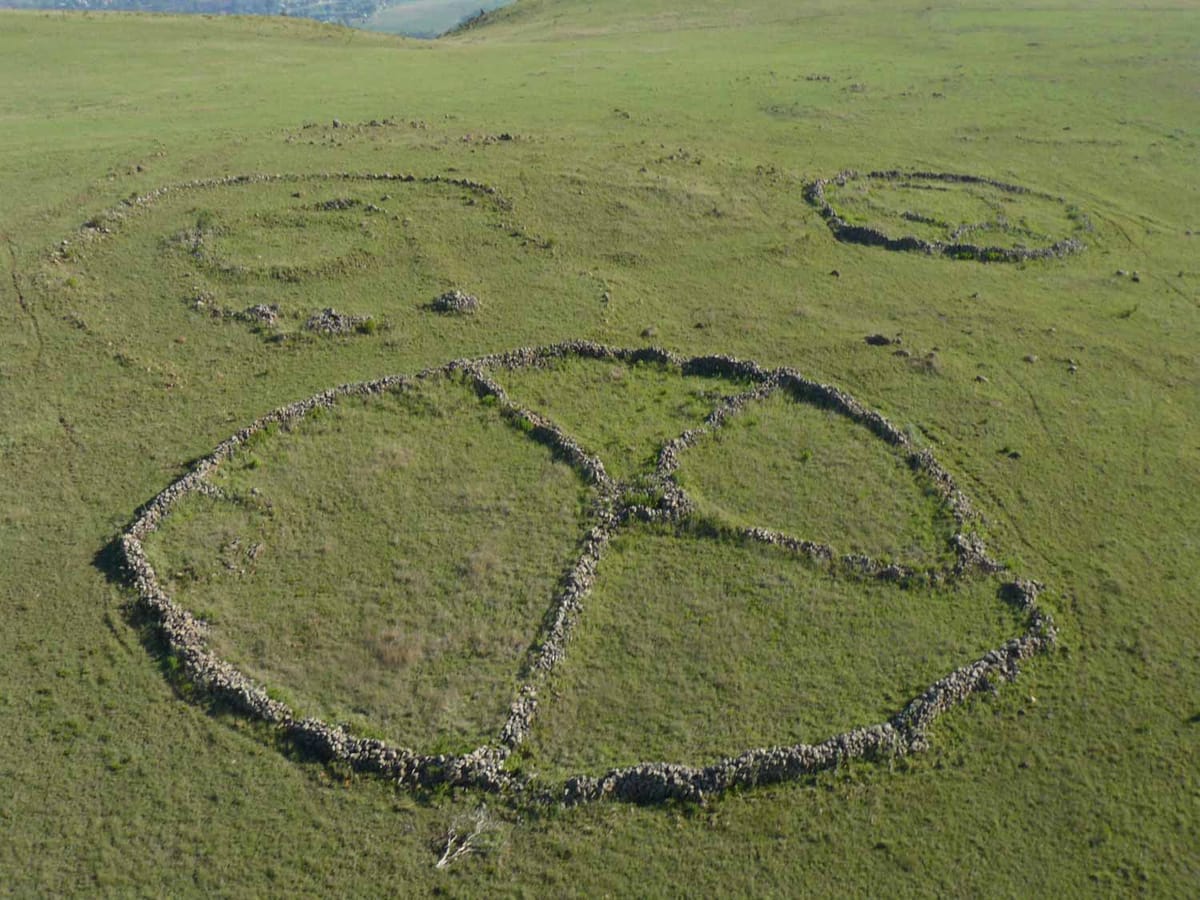
The Enigmatic Stone Circles of Southern Africa
A Journey Through Time
In the rolling hills and open landscapes of southern Africa, clusters of stone circles emerge from the earth, their rugged formations whispering tales of ancient civilisations. These structures, often overlooked, stand as monumental testaments to the ingenuity and social complexities of the peoples who once thrived here.
Origins of the Stone Circles
The origins of the stone circles in southern Africa can be traced back to the medieval period, around the 9th to 15th centuries. Predominantly located in present-day Zimbabwe and South Africa, these circles are primarily found in regions such as Great Zimbabwe, an archaeological site that was a thriving centre of trade and culture. The exact purpose of these circles remains a subject of debate among archaeologists, but they are widely believed to have served as ceremonial sites, dwellings, or markers for social gatherings.
Key Era of Prosperity
During the height of the Great Zimbabwe civilisation, from the 11th to 15th centuries, the stone circles flourished alongside the grand structures of the kingdom. Great Zimbabwe itself was renowned for its impressive stone walls and towers, but these smaller stone circles played a crucial role in the daily lives of its inhabitants. The circular formations likely represented family units or social clans, indicating a well-structured society where lineage and community were of utmost importance.
Architectural Significance
The construction of these circles is a remarkable feat of engineering, showcasing the skills of the builders who used locally sourced granite stones. The stones were meticulously shaped and fitted together without mortar, a technique that has allowed many circles to withstand the test of time. The most notable examples include the stone circles at Khami and the ruins of Great Zimbabwe itself, which continue to captivate visitors and scholars alike.
People Behind the Stones
The people who built and inhabited these stone circles were part of a larger socio-political system. The Shona people, among others, engaged in farming, cattle herding, and trade, establishing a rich cultural milieu. The stone circles served not only as physical structures but also as cultural symbols representing identity, power, and community cohesion. Oral traditions among the Shona highlight the significance of these sites, embedding them deeply within the cultural narrative of the region.
Decline and Change
By the late 15th century, the Great Zimbabwe civilisation began to decline, likely due to a combination of environmental changes, resource depletion, and political strife. As trade routes shifted and new powers emerged, many of the stone circles fell into disuse. However, their existence continued to be a source of intrigue, drawing the attention of explorers and archaeologists in subsequent centuries.
The Stone Circles Today
Today, the stone circles of southern Africa are recognised as significant archaeological sites. Efforts are underway to preserve these ancient structures and promote understanding of their historical context. Archaeological studies continue to uncover more about the people who built them, offering insights into their culture, social structures, and interactions with neighbouring civilisations. Visitors to these sites can walk among the stones, pondering the lives of those who came before and the stories that remain etched in the landscape.
Lasting Legacy
The stone circles of southern Africa stand not only as relics of the past but as enduring symbols of human ingenuity and resilience. They invite us to reflect on the complexities of ancient societies and remind us of the rich tapestry of histories that shape our world today. As we explore these enigmatic structures, we engage with the legacies of medieval civilisations that have left an indelible mark on the fabric of southern Africa.